


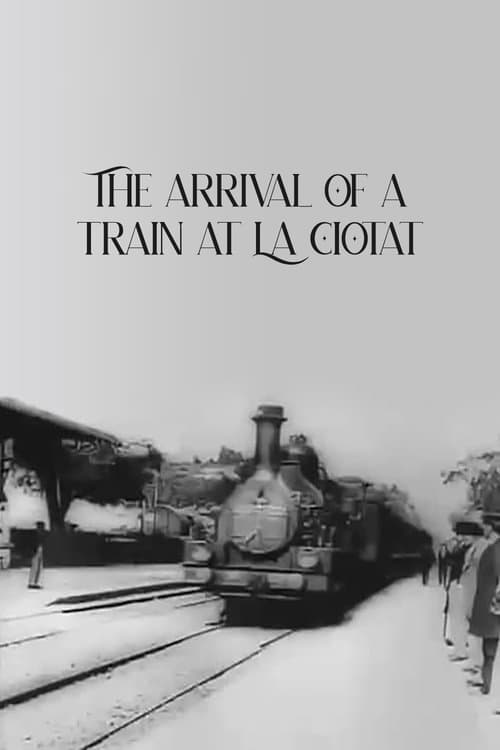
The Arrival of a Train at La Ciotat
Originally released in 1896. The Arrival of a Train at La Ciotat is a documentary film. directed by Louis Lumière. At just 1 minutes, it's a tight, focused story.
Starring Madeleine Koehler, Marcel Koehler, and Marguerite Lumière
Synopsis
A group of people are standing along the platform of a railway station in La Ciotat, waiting for a train. One is seen coming, at some distance, and eventually stops at the platform. Doors of the railway-cars open and attendants help passengers off and on. Popular legend has it that, when this film was shown, the first-night audience fled the café in terror, fearing being run over by the "approaching" train. This legend has since been identified as promotional embellishment, though there is evidence to suggest that people were astounded at the capabilities of the Lumières' cinématographe.
Quick Facts
Release Date
June 30, 1896
129 years ago
Runtime
0h 1m
1 minutes total
User Rating
7.1/10
Great (517 votes)
Language
French
Original language
Country
France
Production
Directors







Production Details
- Status
- Released
- Original Language
- FR
Production Companies
- Lumière
Frequently Asked Questions
What is The Arrival of a Train at La Ciotat about?
A group of people are standing along the platform of a railway station in La Ciotat, waiting for a train. One is seen coming, at some distance, and eventually stops at the platform. Doors of the ra...
Who directed The Arrival of a Train at La Ciotat?
The Arrival of a Train at La Ciotat was directed by Louis Lumière.
How long is The Arrival of a Train at La Ciotat?
The Arrival of a Train at La Ciotat has a runtime of 0 hours and 1 minutes (1 minutes total).
When was The Arrival of a Train at La Ciotat released?
The Arrival of a Train at La Ciotat was released on June 30, 1896 in theaters.
Who are the main actors in The Arrival of a Train at La Ciotat?
The main cast of The Arrival of a Train at La Ciotat includes Madeleine Koehler, Marcel Koehler, Marguerite Lumière, Jeanne-Joséphine Lumière, Rose Lumière.
Is The Arrival of a Train at La Ciotat worth watching?
The Arrival of a Train at La Ciotat has a user rating of 7.1/10 based on 517 reviews, indicating very good reception from audiences.