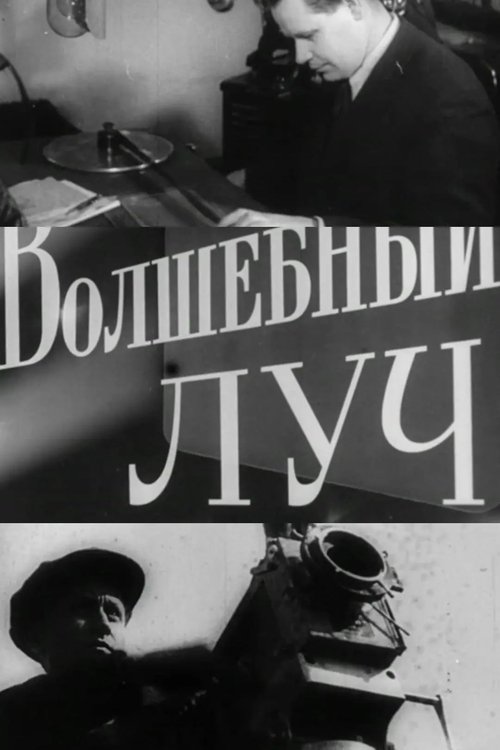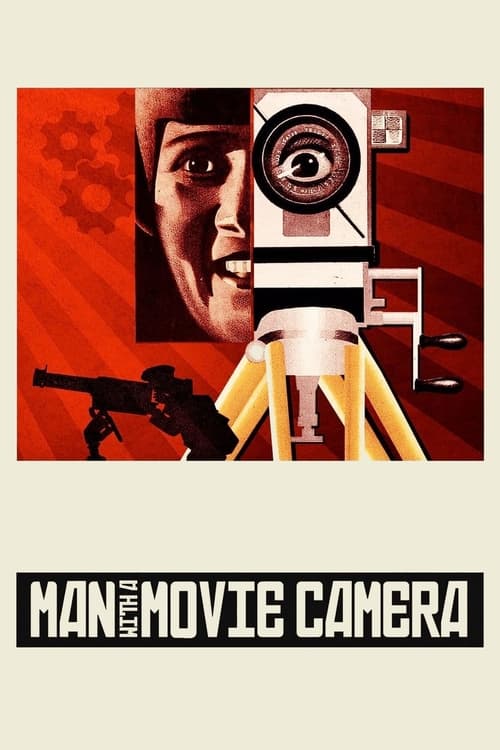
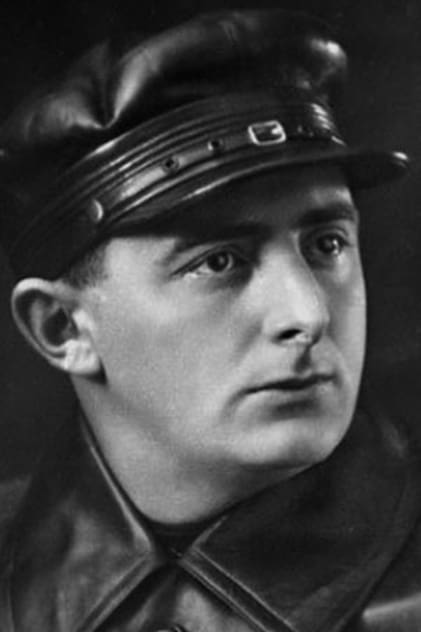
Dziga Vertov
Director
Biography
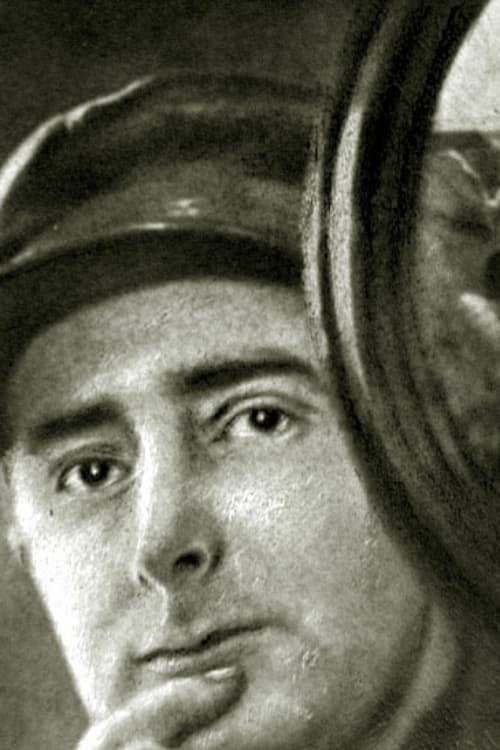
Dziga Vertov (born David Abelevich Kaufman) was a Soviet pioneer documentary film and newsreel director, as well as a cinema theorist. His filming practices and theories influenced the cinéma vérité style of documentary movie-making and the Dziga Vertov Group, a radical film-making cooperative which was active from 1968 to 1972. The independent, exploratory style of Vertov influenced and inspired many filmmakers and directors. The Dziga Vertov Group borrowed his name. In 1960, Jean Rouch used Vertov's filming theory when making Chronicle of a Summer. His partner Edgar Morin coined Cinéma vérité term when describing the style, using direct translation of Vertov’s KinoPravda. The Free Cinema movement in the United Kingdom during the 1950s, the Direct Cinema in North America in the late 1950s and early 1960s, and the Candid Eye series in Canada in the 1950s, all essentially owed a debt to Vertov. In the 2012 Sight & Sound poll, critics voted Vertov's Man with a Movie Camera (1929) the 8th best film ever made.
As Director

Enthusiasm. Symphony of Donbas
1930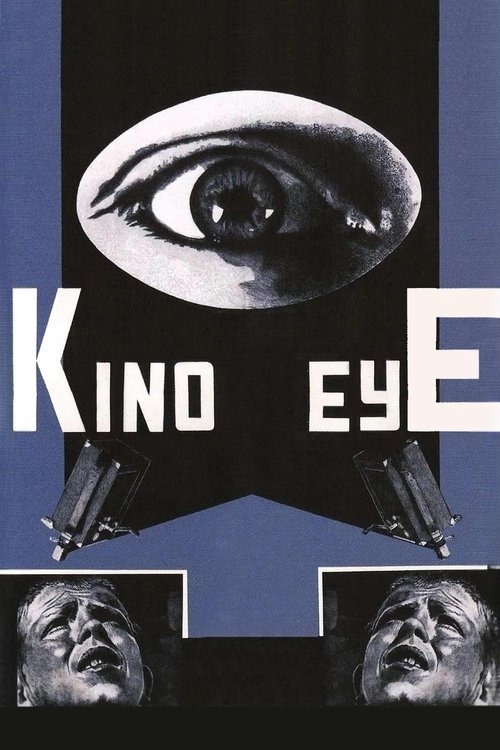
Kino Eye
1924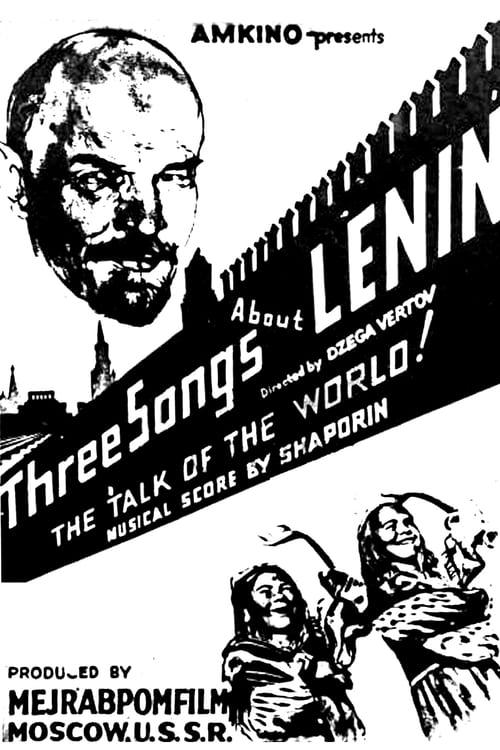
Three Songs About Lenin
1934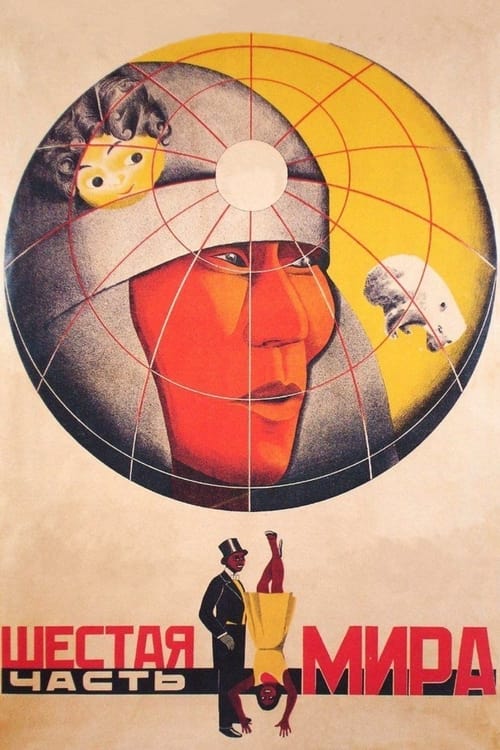
A Sixth Part of the World
1926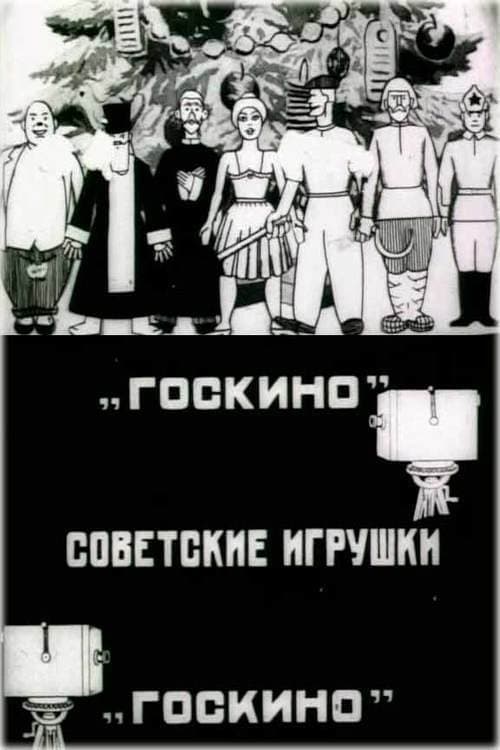
Soviet Toys
1924
Kino-Pravda No. 1
1922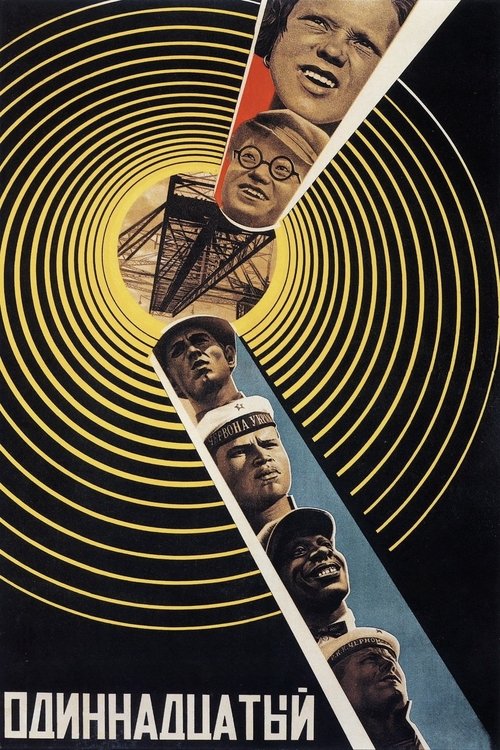
The Eleventh Year
1928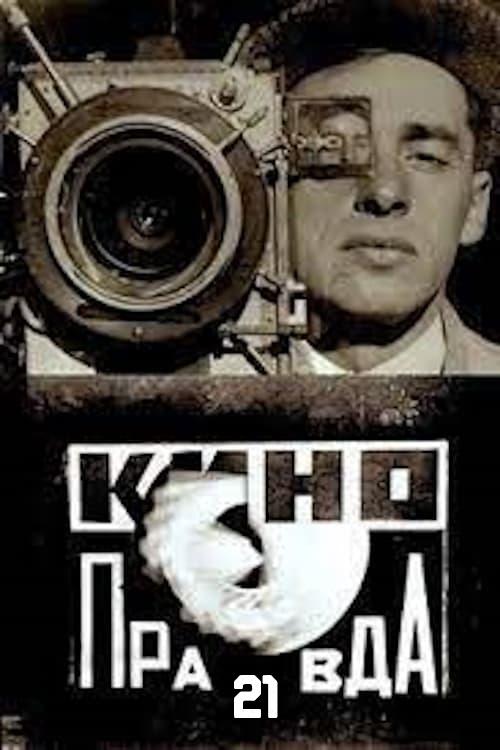
Kino-Pravda No. 21: Lenin Kino-Pravda. A Film Poem About Lenin
1925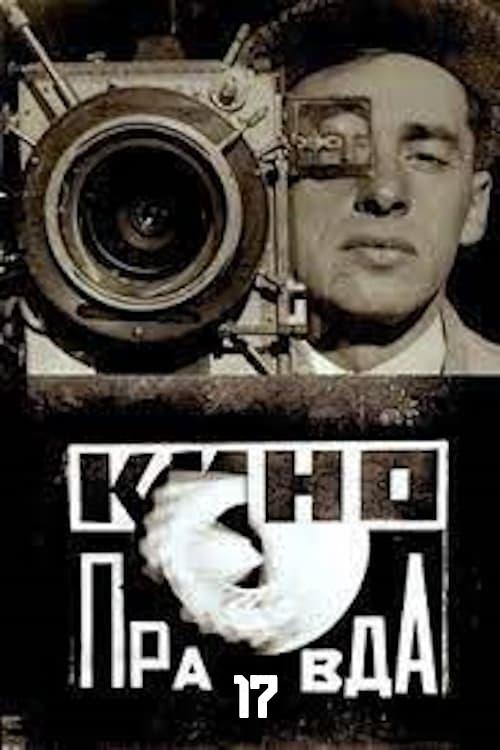
Kino-Pravda No. 17
1923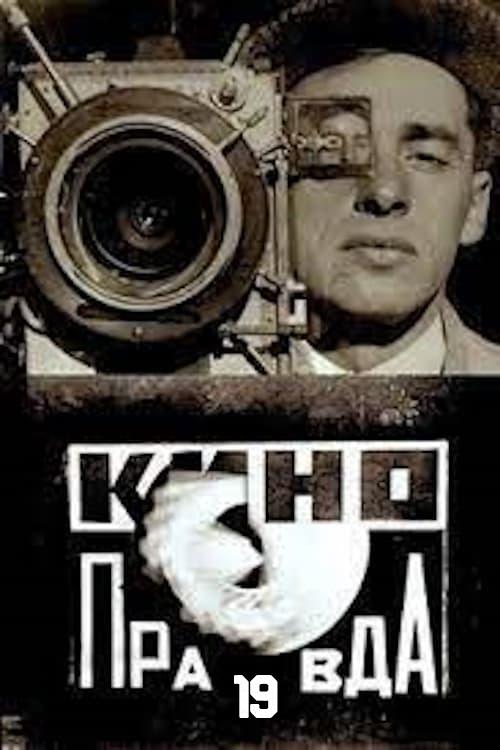
Kino-Pravda No. 19: A Movie-Camera Race Moscow – Arctic Ocean
1924