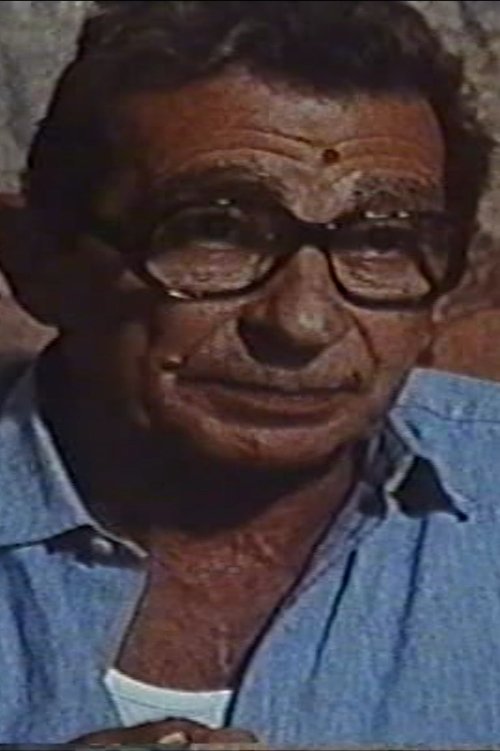
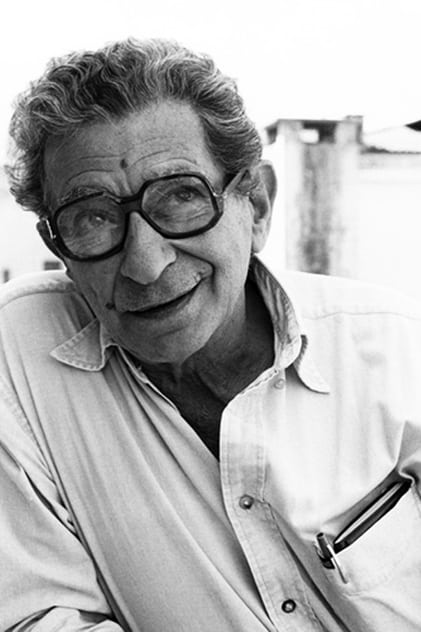
Youssef Chahine
Director
Biography
Youssef Chahine (born in Alexandria, Egypt, 1926) started studying in a friars' school and then turned to Victoria College until High School Certificate. After one year at the University of Alexandria, he moved to the U.S. and spent two years at the Pasadena Play House, taking courses on film and dramatic arts. After coming back to Egypt, cinematographer Alevise Orfanelli helped him into the film business. His film debut was Baba Amin (1950): one year later, with Son of the Nile (1951) he was first invited to the Cannes Film festival. In 1970, he was awarded a Golden Tanit at the Carthage Festival. With Le moineau (1973), he directed the first Egypt-Algeria co-production. He won a Silver Bear in Berlin for Alexandria... Why? (1979), the first installment in what proved to be an autobiographic trilogy, completed with Hadduta Masriya (1982)(An Egyptian Story (1982)) and Alexandria: Again and Forever (1989).
In 1992, Jacques Lassalle proposed him to stage a piece of his choice for Comédie Française: Chahine chose to adapt Albert Camus' "Caligula," which proved hugely successful. The same year he started writing The Emigrant (1994), a story inspired by the Biblical character of Joseph, son of Jacob. This had long been a dream project, and he finally got to shoot it in 1994. In 1997, 46 years and 5 invitations later, he was again selected Hors Competition in Cannes with Destiny (1997).

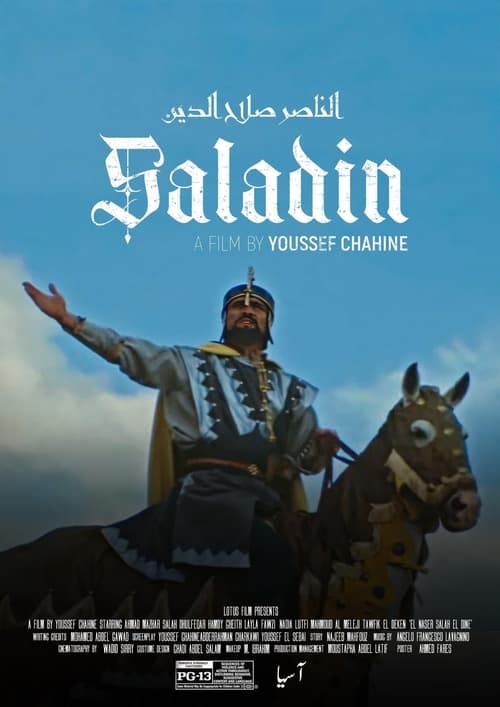
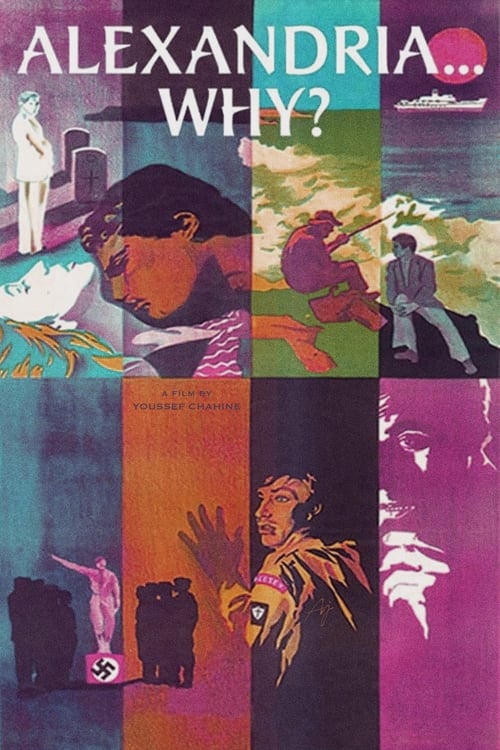
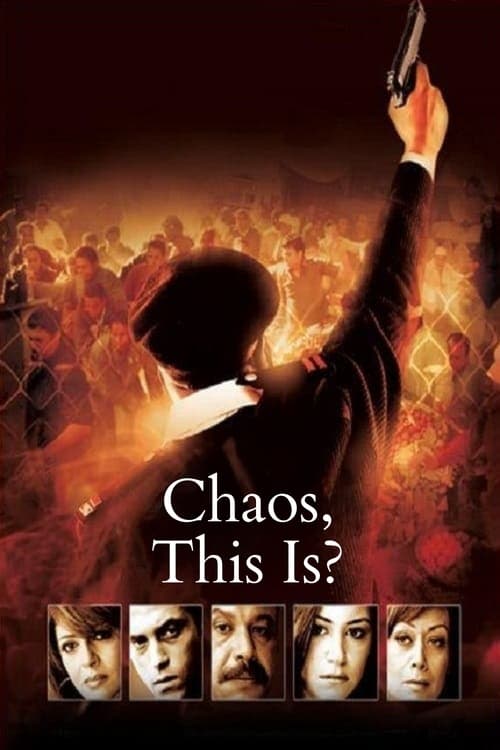
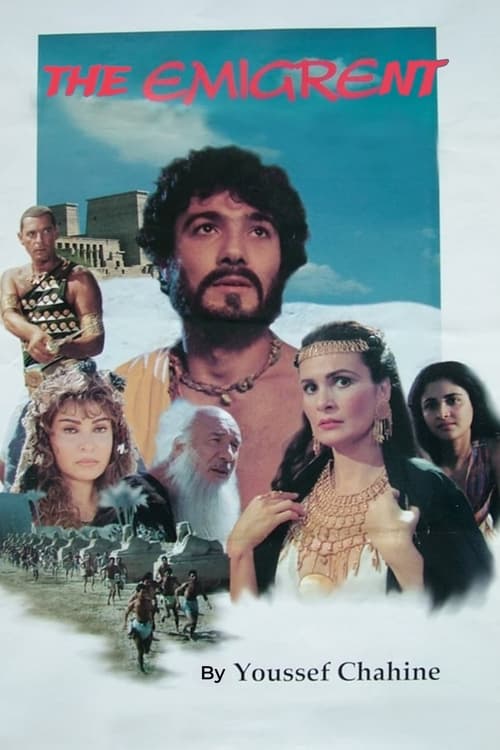
Filmography

Cairo Station
as Qinawi 1958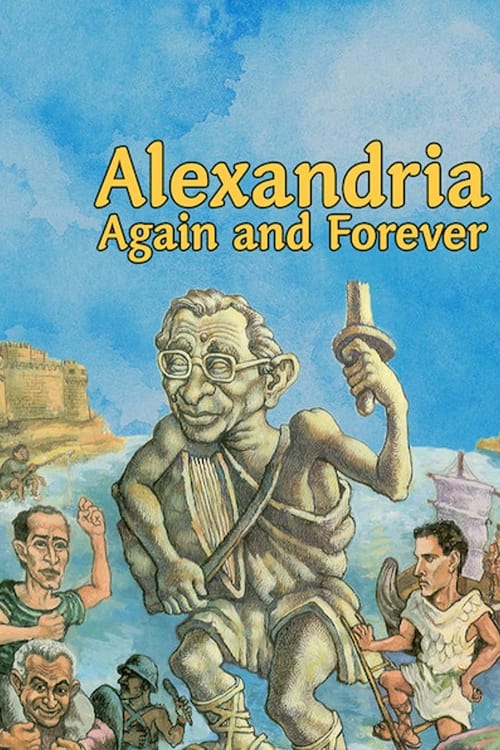
Alexandria Again and Forever
as Yehia Eskendarany / Marc Antoine / Sostratus / Hephaestion 1989
Ouija
2006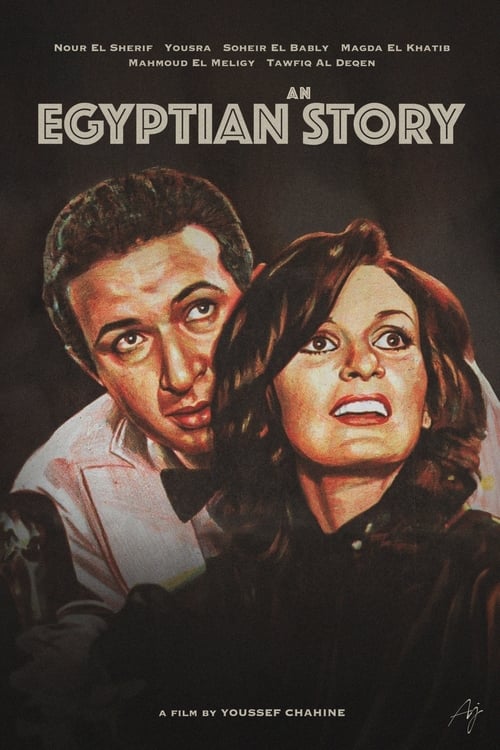
An Egyptian Story
as Old Yehia 1982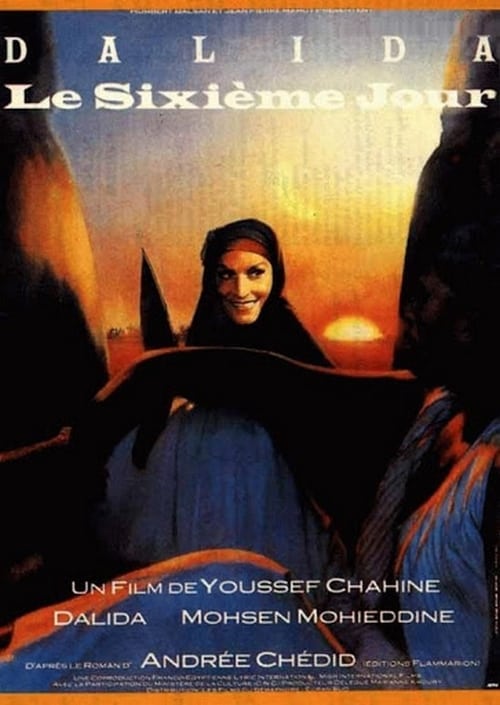
The Sixth Day
as Rafah 1986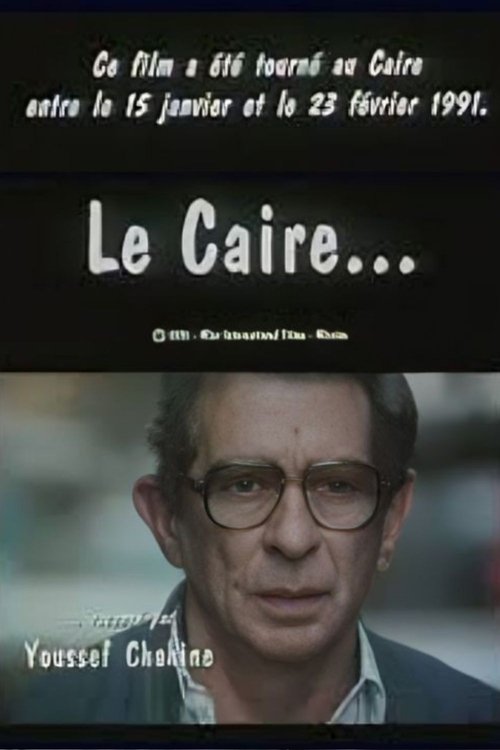
Cairo as Told by Youssef Chahine
as Self 1991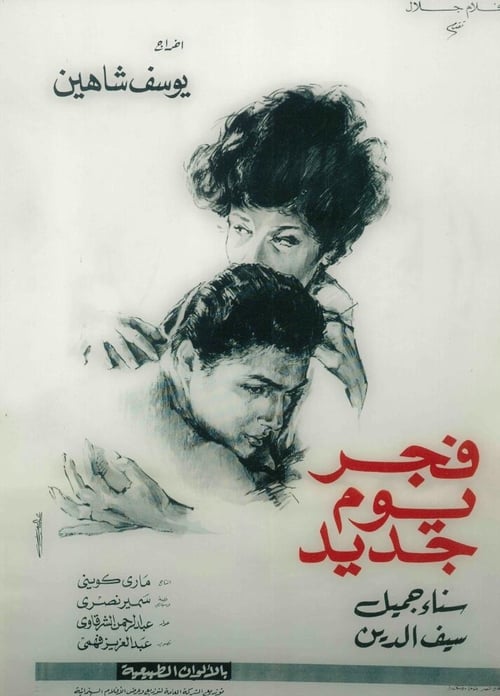
Dawn of a New Day
as Hamada 1964
Arab Camera
as Self 1987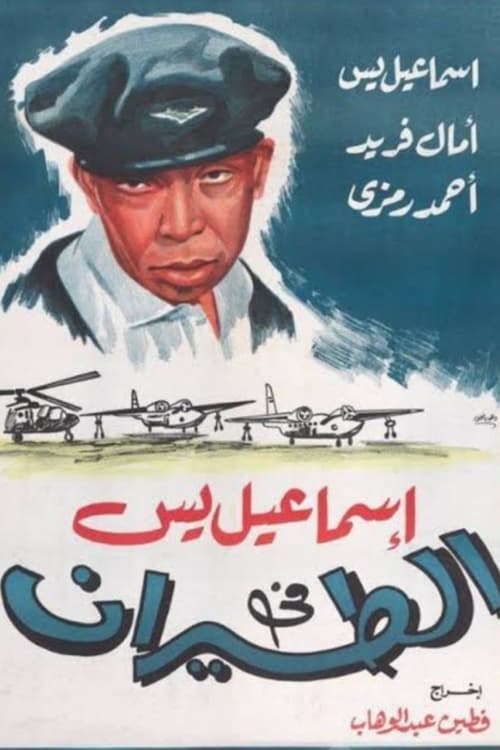
Ismail Yassine in the Air Force
1959
Let's Talk
as Self (archive footage) 2019
Kiarostami in Close up
as as Self 2000
Women Without Men
1953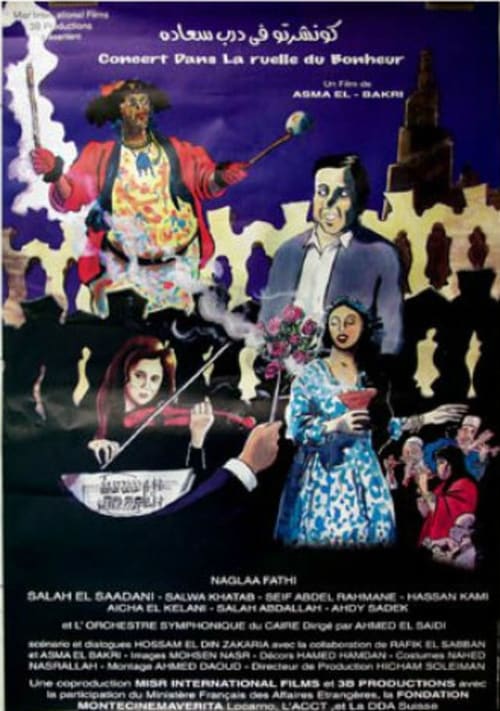
Concerto in Darb Saada
1998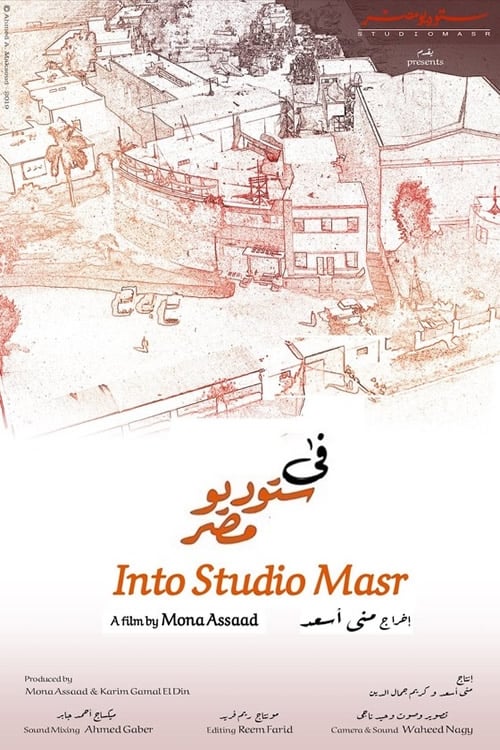
Into Studio Masr
as Self 2019
Trio
as Self 1987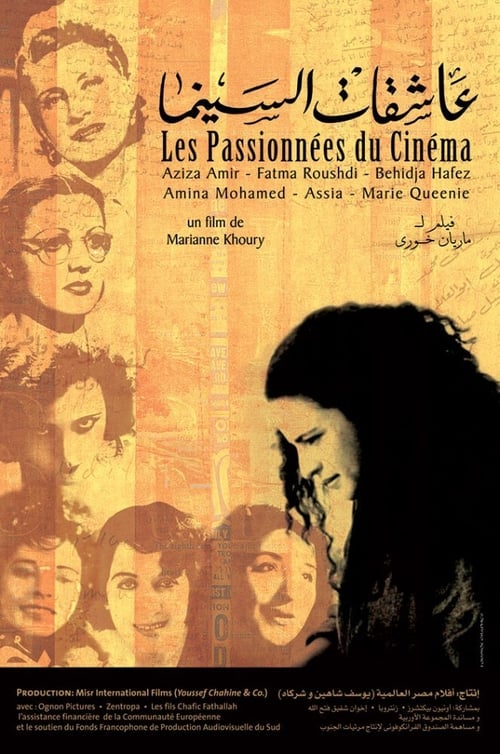
Women Who Loved Cinema
as Self 2002
Cinématon XIV
as N°133 1981